
News / Features
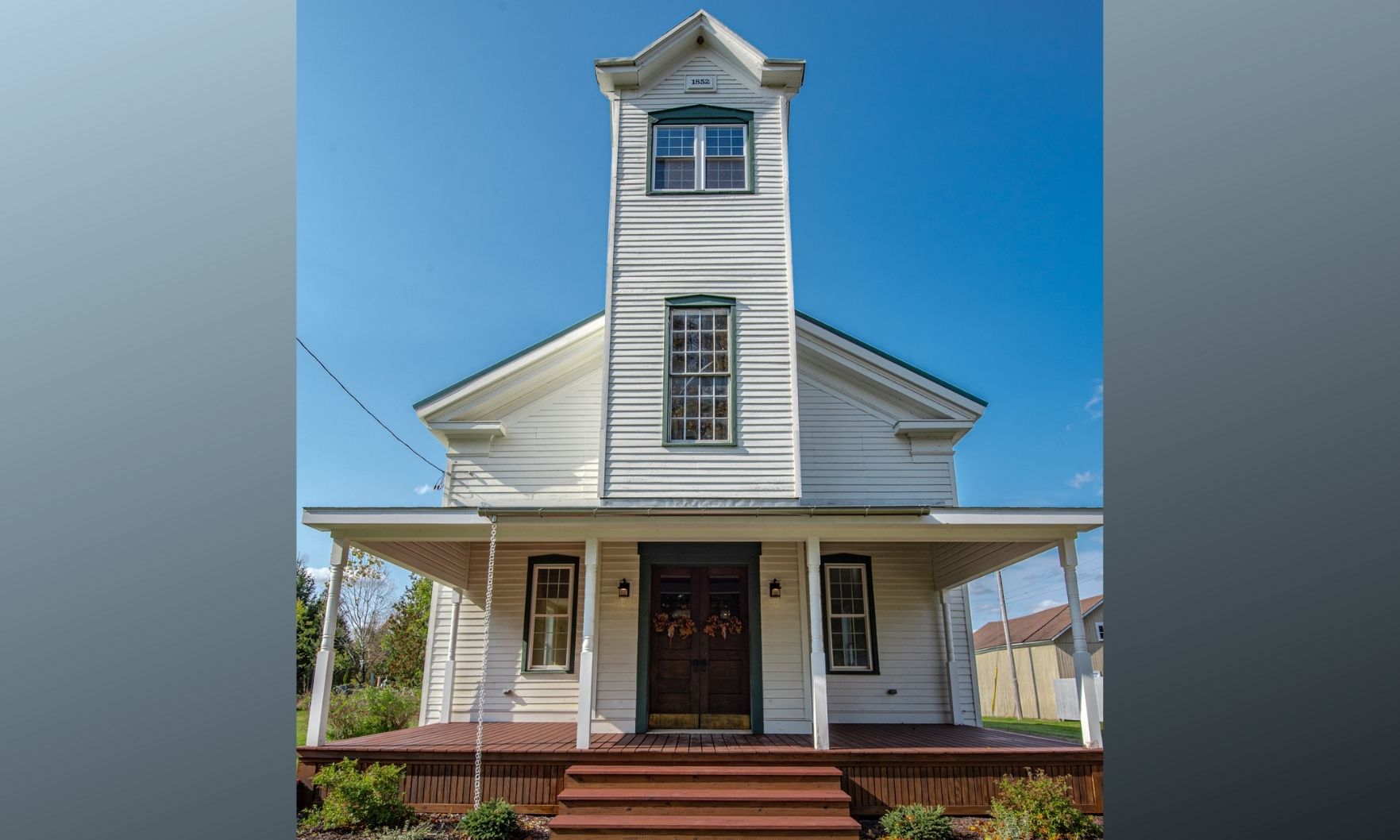
Open the doors, and there are all the prospective buyers! This enchanting Westernville, NY home was restored and rebuilt to pay historic homage to the church it once was.
The demand for luxury single-family homes in Martin County spiked in August,
according to the Miami Association of Realtors (MIAMI) and the Multiple Listing Service (MLS) system.
Home sales in Palm Beach County continued trending upward in August, according to the Miami Association of Realtors (MIAMI) and the Multiple Listing Service (MLS) system.

Working alongside his two sons, the chairman and CEO of William Raveis Real Estate, Mortgage & Insurance has big plans for the future of the company he hopes one day will be run by his grandchildren.
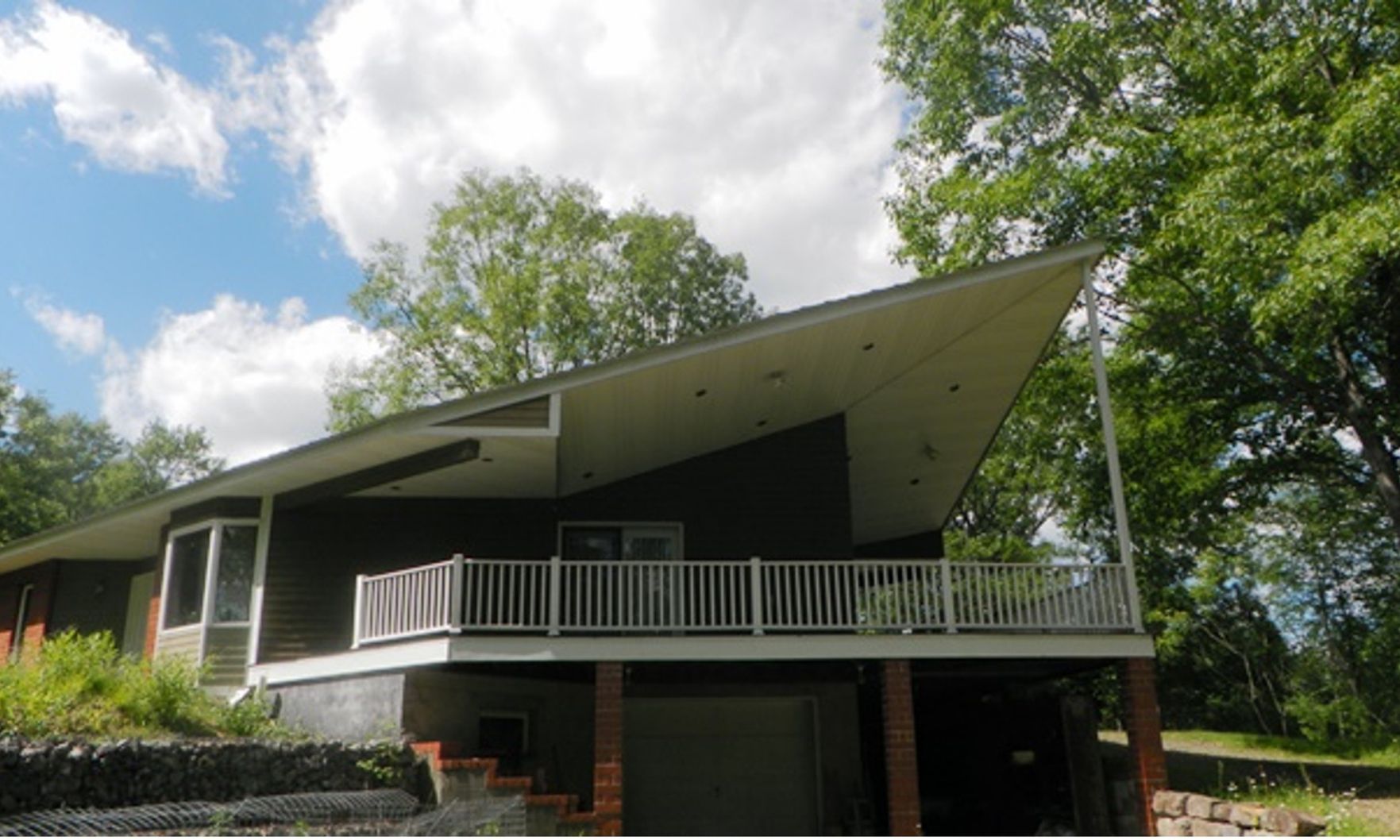
Atop Murray’s Mountain in Emporium, PA is a pilot’s fantasy: a fly-in ranch featuring a 1,700-foot airport runway! The unusual property type has an official right of way to the nearby airstrip.
All four geographic regions saw increases, led by the Midwest, which clocked a 10.4% rise from July, and the South, where sales rose 8.6%. Pending transactions rose 7.2% in the West and 4.6% in the North.
A surge of homes could hit the market in the coming weeks as some mortgages exit forbearance, forcing some struggling home owners to sell.

A new report shows the market cooled in August, at least in terms of the number of prospective buyers looking at homes.
Property values continue to rise and those looking to downsize can make the most of the current market highs, but how much you can save by downsizing can vary significantly depending on where you live.

The 10-city composite index rose 1.4% on a monthly basis and 19.1% on a yearly basis, while the 20-city composite gained 1.5% monthly and 19.9% annually.

The Low-Income First Time Homebuyers Act (LIFT) establishes a program to sponsor 20-year mortgages that would build equity at twice the rate of a conventional 30-year mortgage.
The seasonally adjusted estimate of new houses for sale at the end of July was 378,000, representing a supply of 6.1 months at the current sales rate.

After a winter at home, a summer survey found that over 90% of Canadian snowbirds plan to spend their winters in Florida this year.
Eighty percent of millennials and 73% of all respondents to a recent eXp survey believe owning a home is more important now due to COVID-19.

Last year’s en-masse move to remote work has driven what Zillow has dubbed the Great Reshuffling, as homeowners working from home have paused and reevaluated where and how they live.
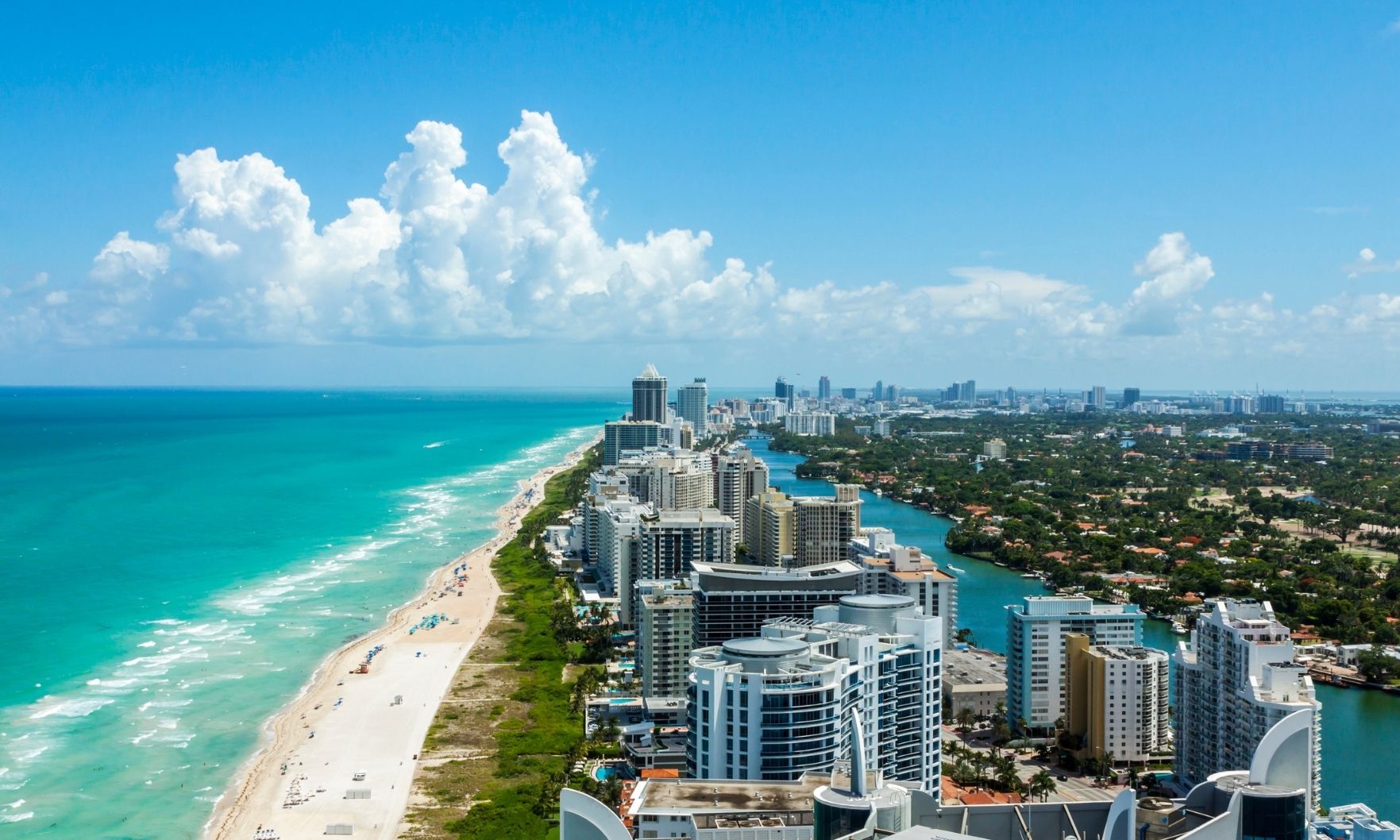
Miami has emerged as the most popular migration destination in the U.S., according to a recent Redfin report.