
New Fannie Mae guidance under Lender Letter LL-2026-03 may provide financial relief for many South Florida condominium associations at a critical time for the region’s housing market. The updated guidance gives lenders greater flexibility regarding insurance deductibles, roof coverage and master insurance policy structures — a major development in a market where insurance costs have become one of the largest financial burdens facing condominium buildings.
For South Florida real estate, the impact could be significant. Lower insurance costs may help more condominium associations qualify for conventional financing, expand the pool of eligible buyers, stabilize property values and allow buildings to redirect funds previously consumed by insurance premiums toward reserves, structural repairs and long-term maintenance planning.
This matters because South Florida’s condominium market is undergoing a major financial transition with the implementation of Florida’s new structural reserve requirements. Today, financing eligibility is increasingly tied not only to the financial strength of individual buyers but also to the financial condition of the condominium building itself.
To understand why LL-2026-03 matters, it is important to understand the role of federal housing finance programs like the Federal Housing Administration, Fannie Mae and Freddie Mac.
These programs maintain liquidity in the housing market by purchasing or insuring mortgages, allowing lenders to continue making loans even during economic downturns. Without them, mortgage rates would likely be higher, financing would be more limited and housing markets would be significantly more volatile.
Following the 2008 financial crisis, Fannie Mae and Freddie Mac were placed into conservatorship under the Federal Housing Finance Agency, and federal regulators have since focused heavily on reducing risk within the housing finance system. After the Surfside collapse in 2021, that focus expanded dramatically to condominium buildings, particularly in Florida.
Today, lenders and federal housing agencies are no longer evaluating only the financial qualifications of individual borrowers. They are increasingly evaluating the financial health of the condominium building itself. Reserve funding, deferred maintenance, structural inspections, insurance coverage, engineering reports and association budgets now play a major role in whether a condominium project qualifies for conventional financing.
That shift has created enormous pressure on condominium associations throughout South Florida. Buildings that lack adequate reserves, have unresolved structural issues or cannot obtain sufficient insurance coverage often struggle to qualify for conventional financing. When financing options shrink, the buyer pool shrinks as well — directly impacting property values and market liquidity.
Insurance has become one of the largest financial pressures facing condominium associations. In many buildings, insurance premiums now consume a significant portion of annual budgets, often competing directly with reserve funding and critical maintenance planning. Some associations have been forced to choose between maintaining affordable assessments and adequately funding long-term structural needs.
That is why LL-2026-03 is being viewed by many in Florida real estate and lending circles as an important and potentially stabilizing development.
The guidance recognizes the unique realities of Florida’s insurance market and provides additional flexibility regarding insurance deductibles and master policy structures. Under the updated framework, higher deductibles may still be acceptable when associations maintain sufficient reserves or have a financial strategy to cover those deductibles. This flexibility may allow many associations to significantly reduce insurance premiums while preserving eligibility for conventional financing.
For many South Florida condominium buildings, the financial impact could be substantial. Lower insurance costs may free up capital that can instead be directed toward reserve funding, structural repairs, concrete restoration, roof replacement projects and long-term maintenance planning. In practical terms, the guidance may help associations better balance rising insurance costs with Florida’s new structural reserve funding requirements.
More importantly, improved financial positioning may help more buildings qualify for conventional financing through full review approval standards.
Full review approval is critical in today’s condominium market because it allows buyers access to conventional mortgage financing backed by Fannie Mae and Freddie Mac. Buildings that qualify generally have access to a larger pool of buyers, stronger resale demand and more stable property values. Buildings that fail to qualify often face reduced marketability, cash-only buyers, higher interest rates or limited financing options altogether.
This creates a new reality for condominium associations: Financing eligibility is no longer just a lending issue — it is now directly tied to the overall financial health and market value of the building itself.
Associations that proactively address reserve funding, deferred maintenance, structural inspections and insurance planning will likely be in a far stronger position moving forward. Buildings that successfully adapt to this new regulatory and financial environment may ultimately emerge stronger, safer and more financially stable than before.
At the same time, the transition will not be easy for every association. Older buildings with years of deferred maintenance or insufficient reserves may still face difficult financial decisions and large special assessments. Some associations may struggle to comply with both structural reserve requirements and rising operating costs simultaneously. However, the long-term goal of these changes is to create a more sustainable condominium market with stronger financial transparency and reduced systemic risk.
Associations should also begin actively monitoring whether their projects remain eligible for conventional financing. Financing status can now directly influence property values, sales activity, and the ability of future buyers to obtain mortgages.
Board members and property managers can use Fannie Mae’s Condo Status Finder to determine whether a condominium project already has an eligibility status or whether lenders must conduct a full review. In addition, authorized association representatives may request information or appeal a condominium project’s “Not Eligible” status through Freddie Mac’s review process.
While the transition may be challenging, LL-2026-03 may ultimately provide many Florida condominium associations with a path toward greater financial stability, improved financing access and a stronger long-term future for both owners and buyers.
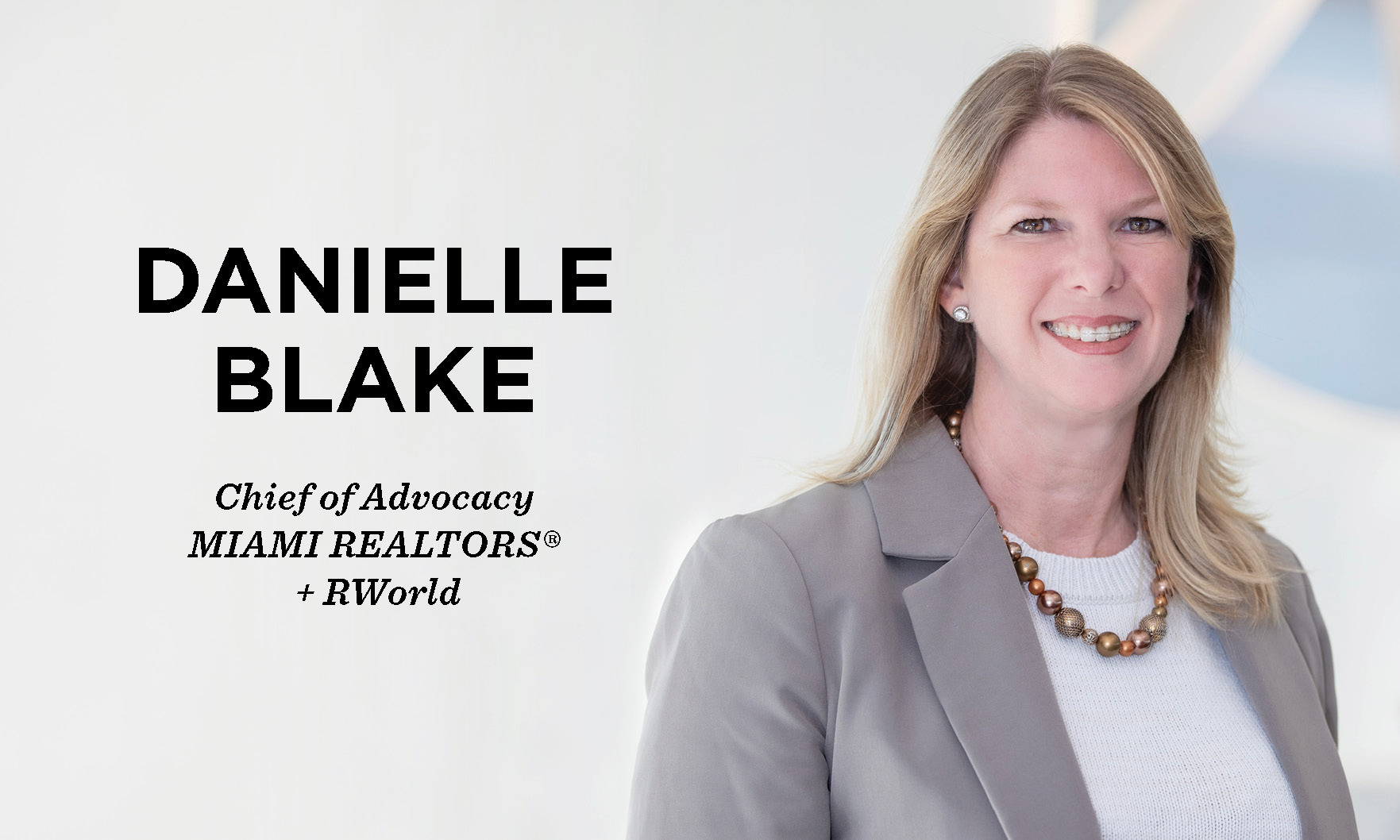
Danielle Blake is the chief of advocacy for MIAMI REALTORS® + RWorld.