
News / Features

While pandemic headlines had many leaving cities and moving to the suburbs or looking for additional space in their current home, interest in tiny homes was little remarked upon.

A recent report from Redfin states that Florida’s “redlined” neighborhoods, which were once considered less desirable and relegated to Blacks and other minorities under racist policies, are frequently less prone to damage from flooding and climate change than non-redlined or “greenlined” neighborhoods.

The National Association of Realtors sends a message to members that it is working to ensure that the proposed Protecting the Right to Organize Act will not hurt their status as independent contractors.

Much of the year-over-year increase in home sales was supported by continued robust activity in the Southeast, which saw a 20.2% rise to an annual rate of 458,000 transactions.

The land conservation and farming communities need to come together and let Congress know how vital the like-kind exchange is to the future of our land and that it must continue.

“Despite the drop in home sales for February — which I would attribute to historically-low inventory — the market is still outperforming pre-pandemic levels.” NAR Chief Economist Lawrence Yun

While the price of the final bid will not be disclosed until the closing this month, Platinum Luxury Auctions revealed that it was the 5th highest resale in the building’s history.

The median price of a home in the U.S. reached its highest point in 13 years last month as inventory continued to fall.

Eighty-eight percent of all homebuyers said they used an agent as a source of information during their search, and 91% of millennials age 22 to 30 said the same.

It is not “first comes love, then comes marriage,” but for many women, “first comes homeownership,” according to First American Chief Economist Odeta Kushi.

“Buyers enjoy the lifestyle, weather and tax effect. There is no income tax in Florida, unlike some other states. This savings will help to buy the condo unit.” — Rishi Kapoor, Location Ventures
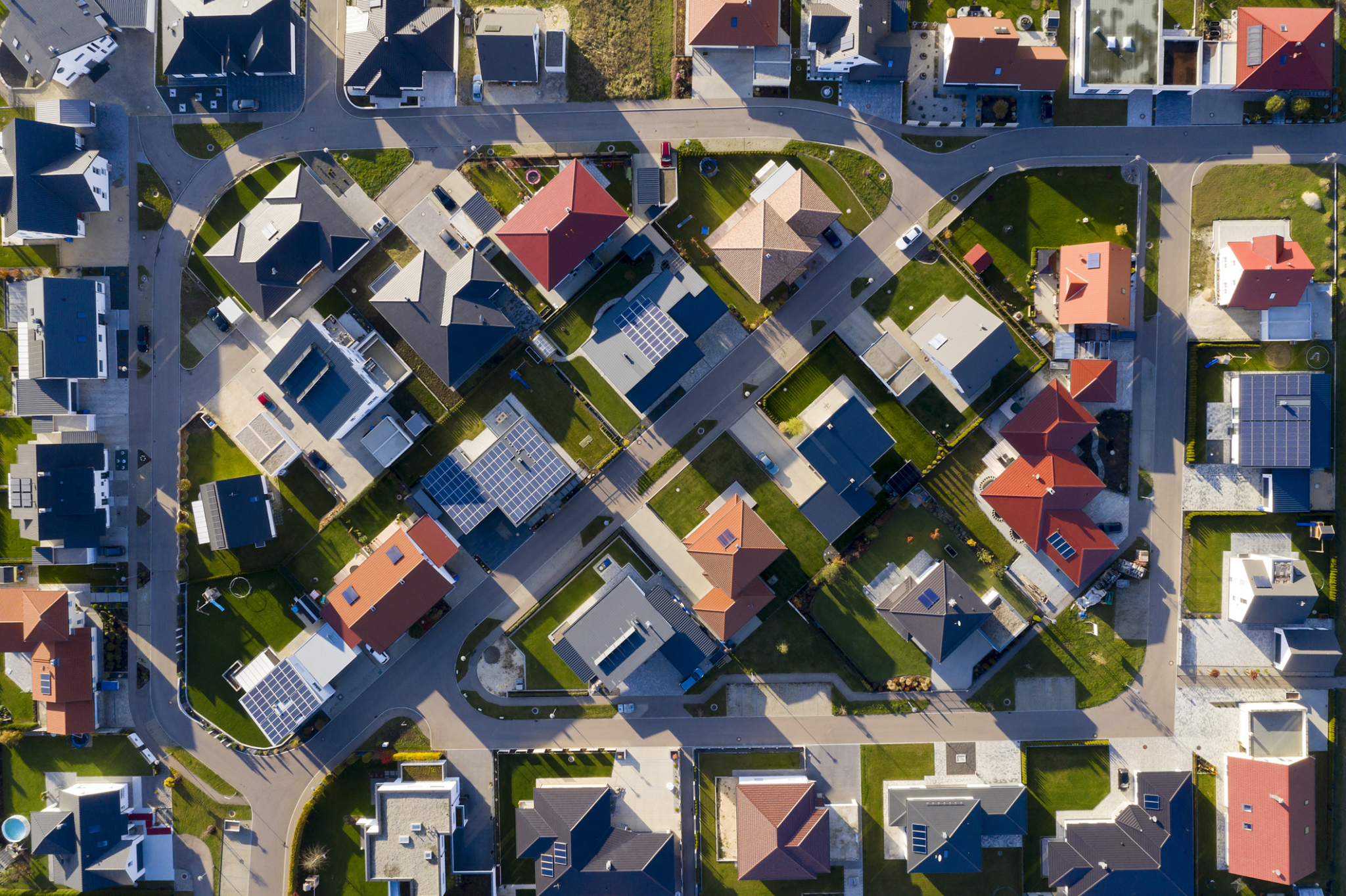
Nationally, homeowners with mortgages saw their home equity increase by 16.2% year-over-year from the fourth quarter of 2019.

It also ranks among the top five states in education and among the top 10 states in the economy and fiscal stability categories.

The plans aim to bring affordable housing and commercial space to underserved areas.
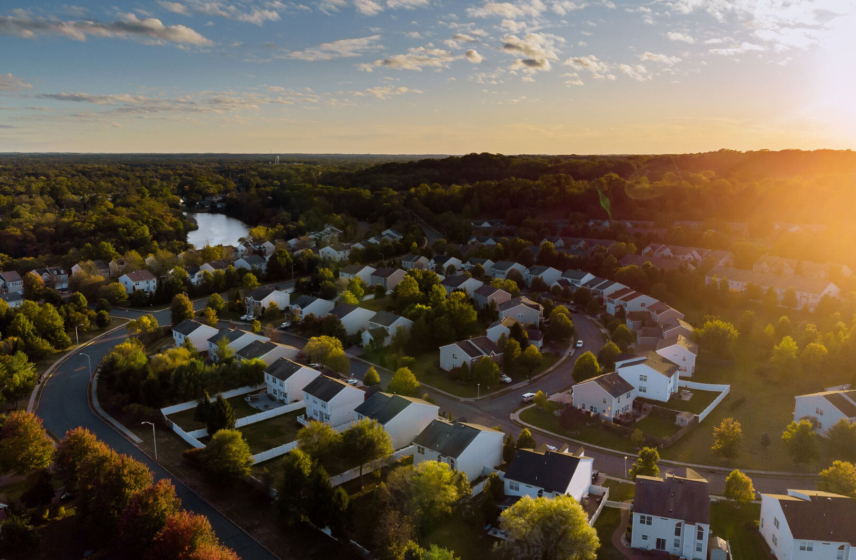
Lenders issued $1.06 trillion worth of mortgages in the fourth quarter of 2020 with refis contributing to the boost.

“More jobs are very likely, due to the near certain passage of the $1.9 trillion stimulus package and from two million vaccinations per day,” National Association of Realtors chief economist Lawrence Yun said in a release.