
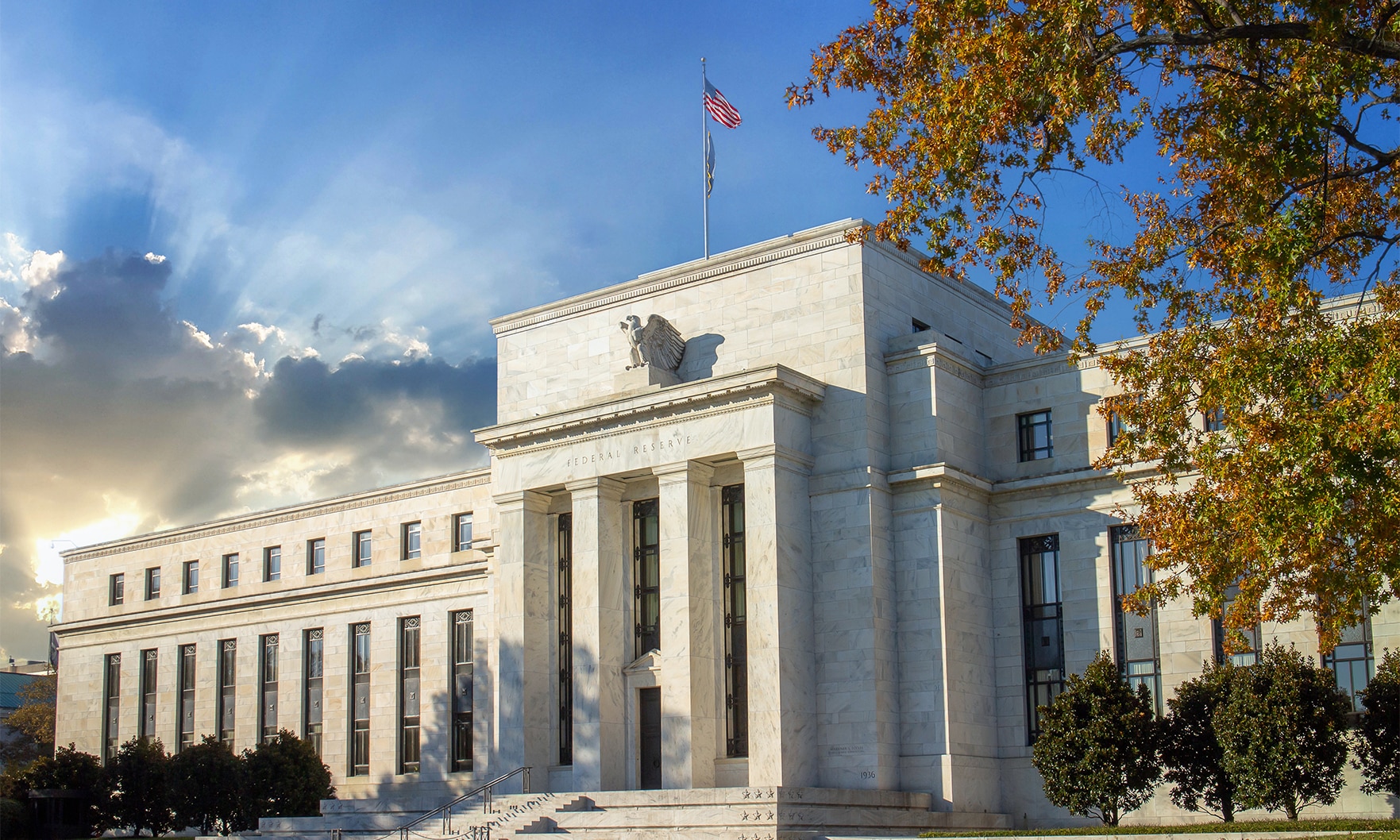
The Federal Reserve raised interest rates at its latest meeting, marking the first increase in three years as inflation remains well above the Fed’s target rate.
In a unanimous 12-0 vote, the Fed’s Open Market Committee voted to raise the target range for the federal funds rate by 0.25% to 3.75% to 4.00%.
Energy shocks from the wars in Iran and Ukraine have raised cost of fuel across the board, with the price of a gallon of diesel topping $6 for the first time in history this week. At the same time, unemployment fears that triggered rate cuts last year proved overblown, as the unemployment rate has remained steady.
“Economic activity is expanding at a solid pace,” the FOMC said following its meeting. “While uncertainty remains elevated owing, in part, to geopolitical developments, domestic spending has been resilient.
“Productivity growth is strong, and capital investment is robust. Job gains have kept pace with the workforce, and the unemployment rate has changed little.”
The Fed has a dual mandate to achieve maximum employment and keep inflation below 2%.
High interest rates on home mortgages have sapped much of the housing market’s momentum this year, as the average contract interest rate for a 30-year mortgage almost hit 7% in the Mortgage Bankers Association’s most recent Weekly Mortgage Applications Survey, which was released just ahead of the FOMC’s Sept. 16 announcement. Mortgage applications slid 4.1% in the week ended Sept. 11, according to the survey.
“Housing and mortgage activity slowed abruptly as mortgage rates moved higher over the past several weeks,” MBA Chief Economist Mike Fratantoni said after the Fed hike. “MBA forecasts two additional hikes from the Fed over the next year and expects mortgage rates to stay near current levels over the forecast horizon.”
Longer-term interest rates, such as mortgages, have largely priced in this latest increase as well as future Fed hikes and are not expected to have much of a reaction to today’s news, Fratantoni said.