
Current Market Data

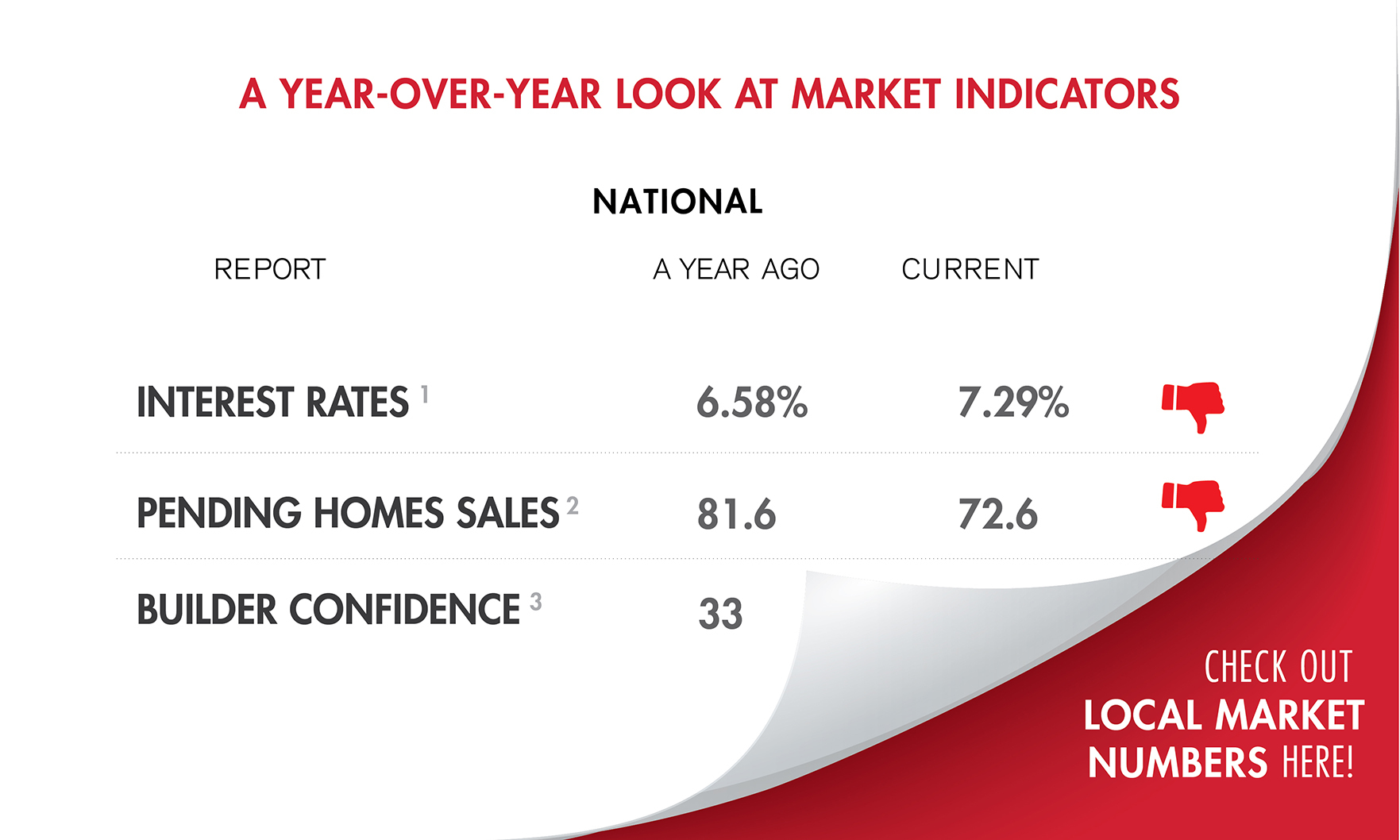
Pending home sales rose 8.3% month over month, the National Association of REALTORS® said, marking the largest monthly jump since 2020.

Declining interest rates spurred the increase.
Notably, renovators are less likely than they were a year ago to undergo kitchen modifications for the purpose of improving the home’s resale value.

In Miami, the number of coworking spaces rose quarter over quarter in Q4 2023, while the city’s total square footage of coworking space rose too.
At the same time, the median sales price rose 4.4% to $382,600.

The NAHB/Wells Fargo Housing Market Index (HMI) rose seven points to 44, its second monthly increase in a row.
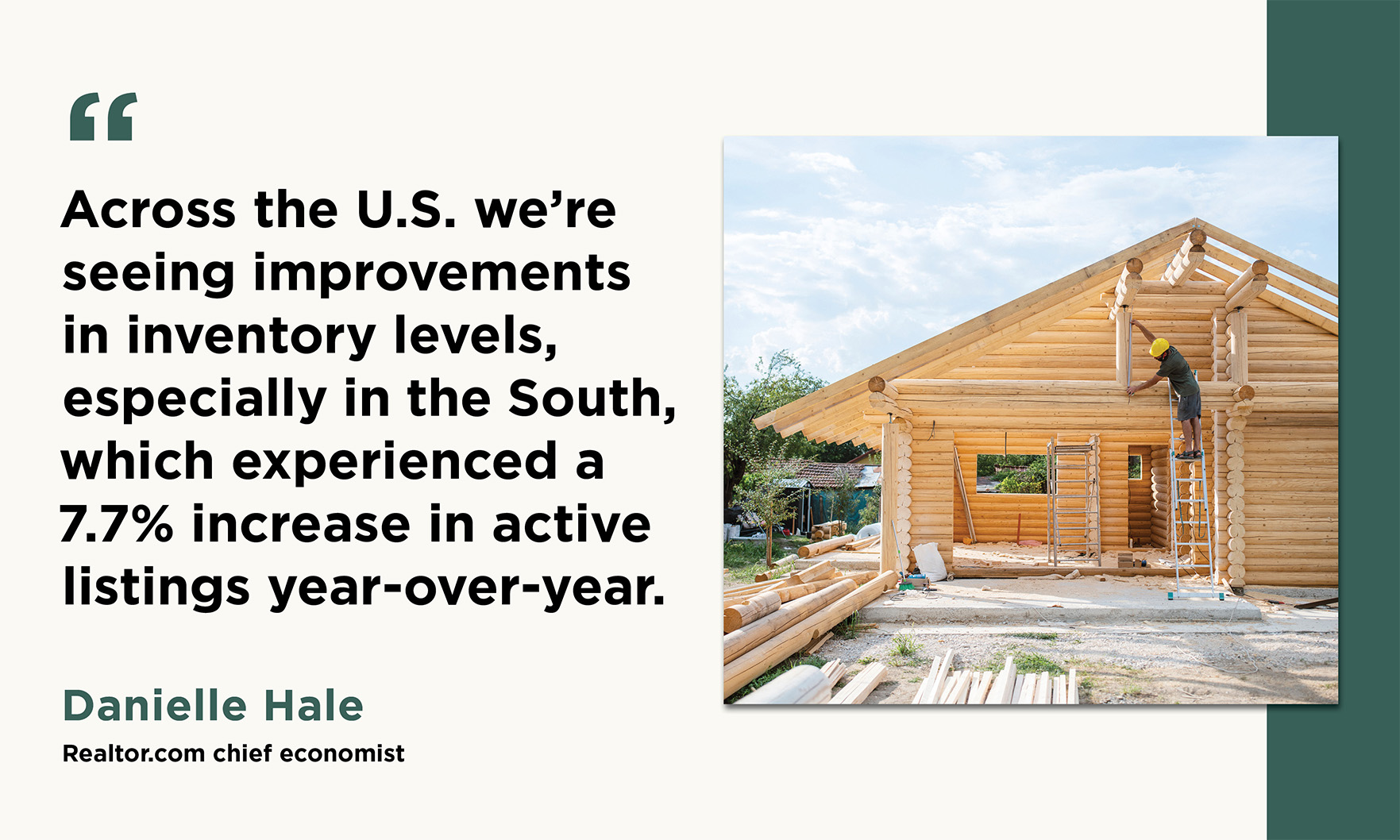
Home listings grew in December as housing prices stabilized, closing out an interesting 2023 for the real estate market.

Nearly all millennials — 93% — say a volatile market is to blame for wrecking homebuying plans, with another 76% saying they expect the market to get worse before they’re able to make a purchase themselves.

With mortgage rates dropping to their lowest levels in almost a year, house hunters are returning to a market that many had shied away from in 2023.
CoreLogic expects prices to continue to grow through the year.
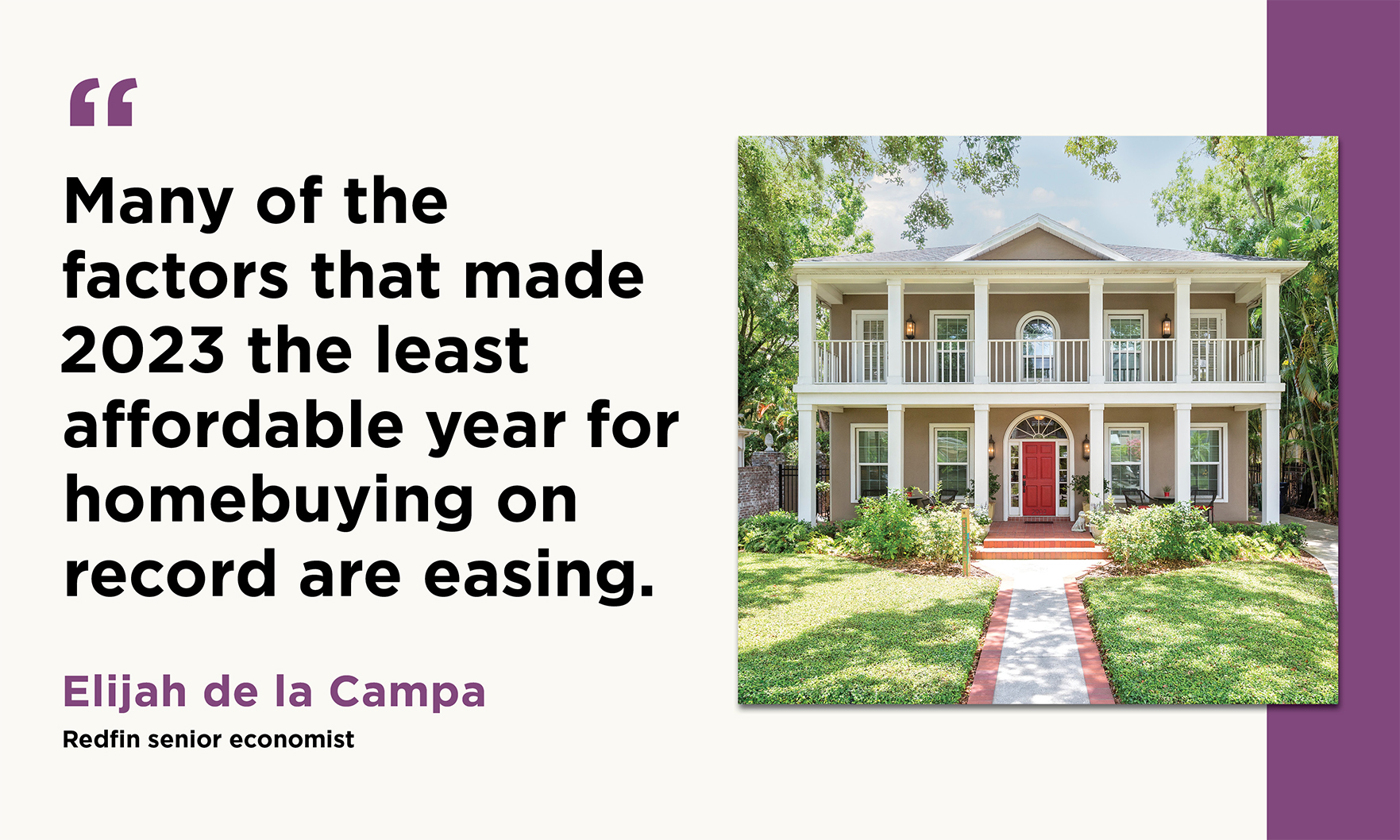
Falling mortgage rates and more inventory could mean an improvement in housing affordability in the new year.

How will our homes evolve in the new year?
Palm Beach County saw an increase in existing-home sales while Miami-Dade and Broward counties saw them fall.
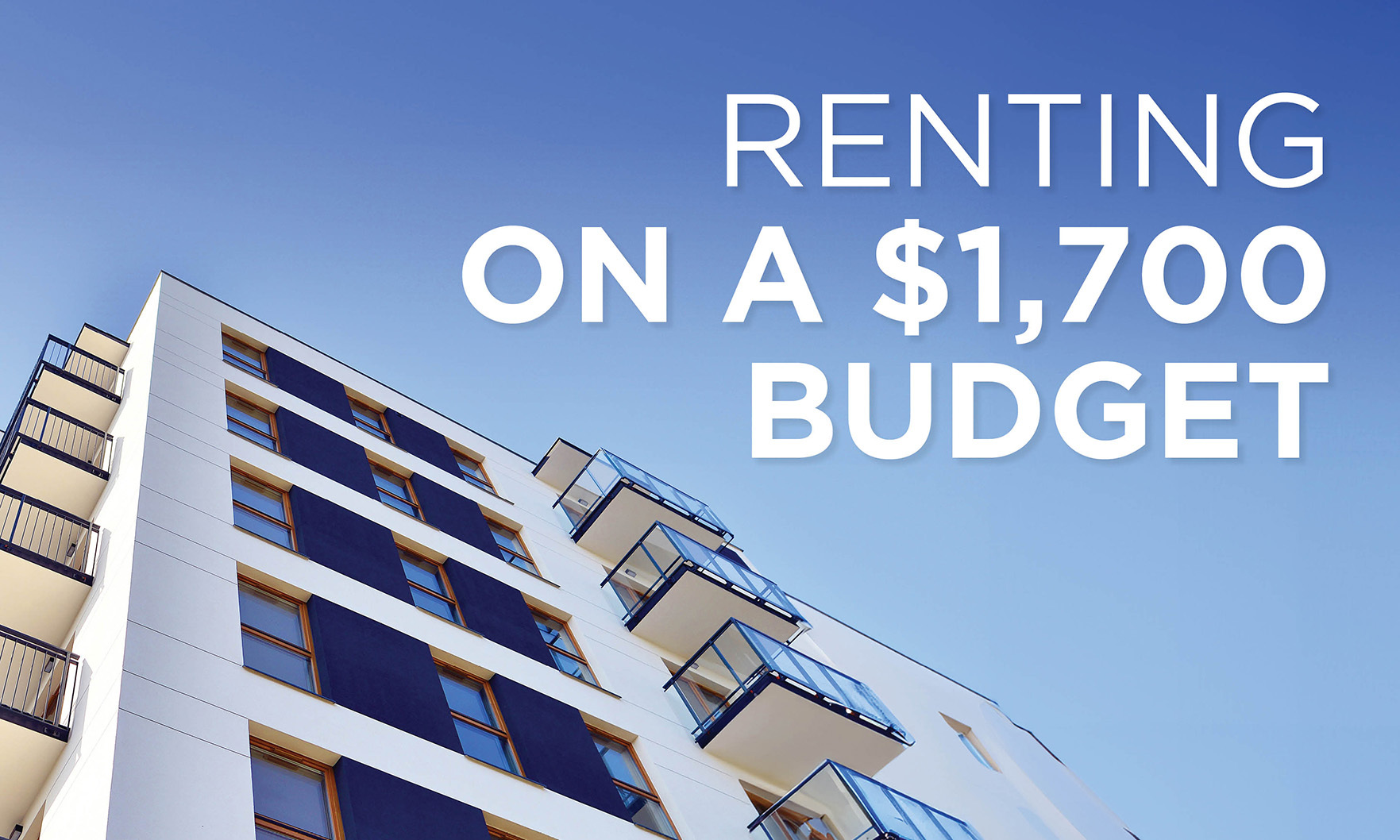
RentCafe analyzed apartment sizes in ZIP codes across the country to determine which areas give the typical renter the most bang for their buck.
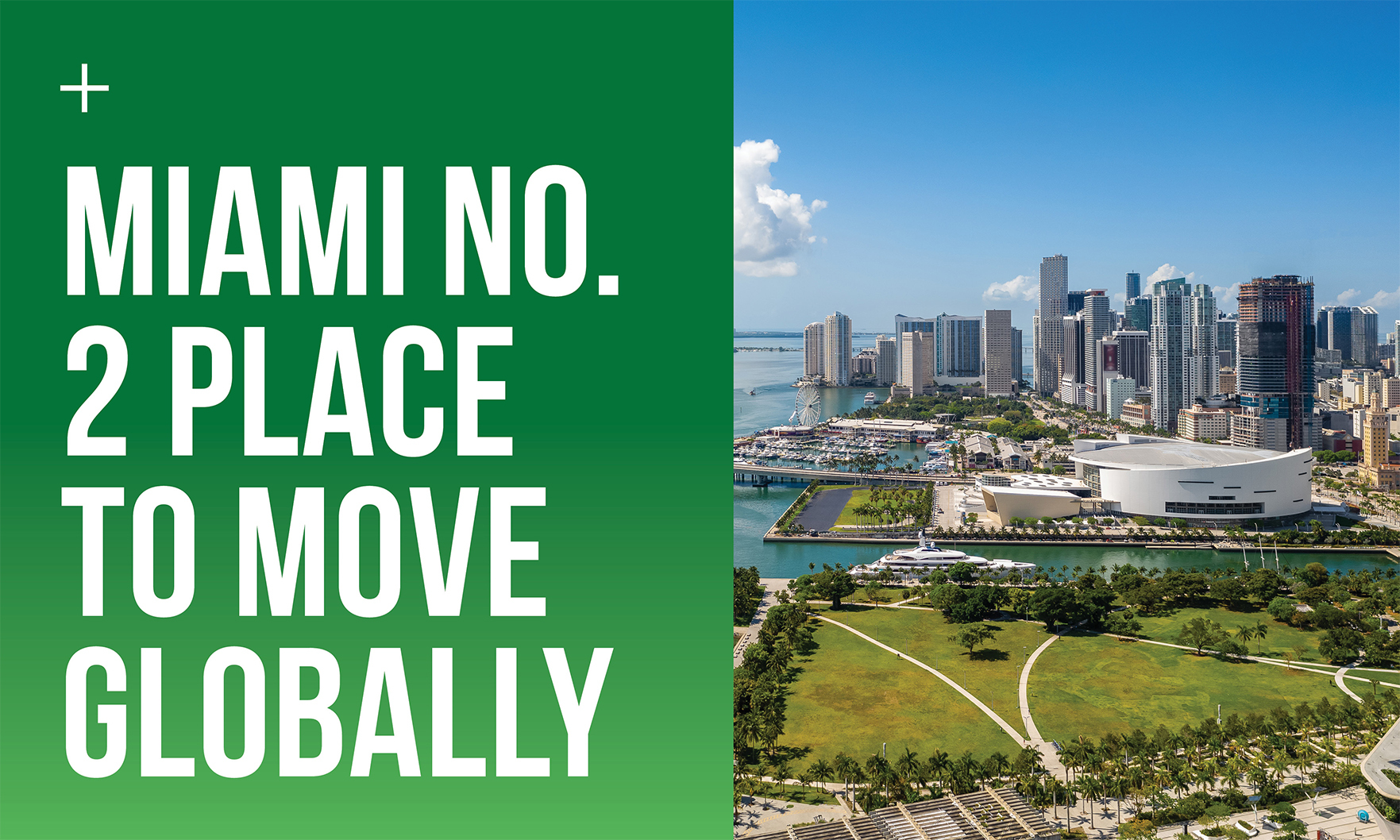
An analysis of Google search data put Miami second only to Dubai as the most desirable relocation possibility for those living outside the U.S.
The only region of the U.S. that didn’t experience an annual decline in existing home sales was the Midwest, where sales were unchanged year over year.