
Current Market Data
Despite declining pending-home sales in all four regions of the country, certain metros saw steady annual gains, including Miami.
While some trends flicker before fading away, others are here to stay, according to experts. To help make sense of this, we dove deep with the professionals to better understand key local trends.

Middle-income seniors stand to be affected most by projected shortages — those who don’t qualify for subsidized housing but can’t afford new construction.

Investor-led purchases made up 34% of all single-family residential sales in the third quarter of 2025, up 25.5% year over year and 1% from the second quarter.
Total home sales in Miami-Dade County grew 5.9% year-over-year in December from 1,764 to 1,869.

Affordability challenges continue to bedevil homebuyers, despite mortgage rates falling to a three-year low, the National Association of Home Builders reported.
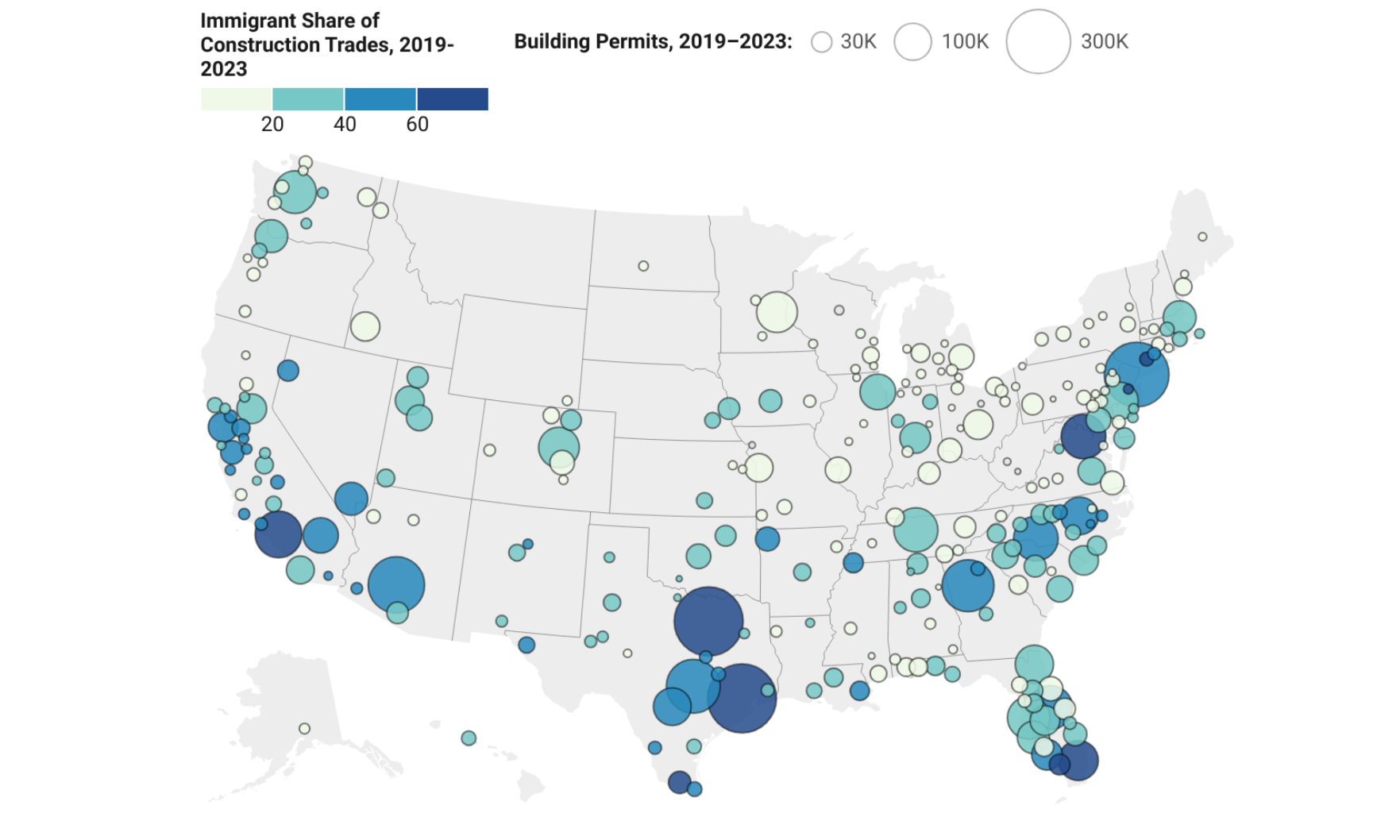
Research showed a disproportionately high share of foreign-born workers active in the construction trades nationally in 2024.
Sales of existing homes jumped 5.1% month over month, topping analyst expectations.

Notably, Florida MPCs represented 42% of sales among ranked communities in the report, followed by Texas at 33%.

Access to musical events and industry jobs might drive Miami’s high artist population.
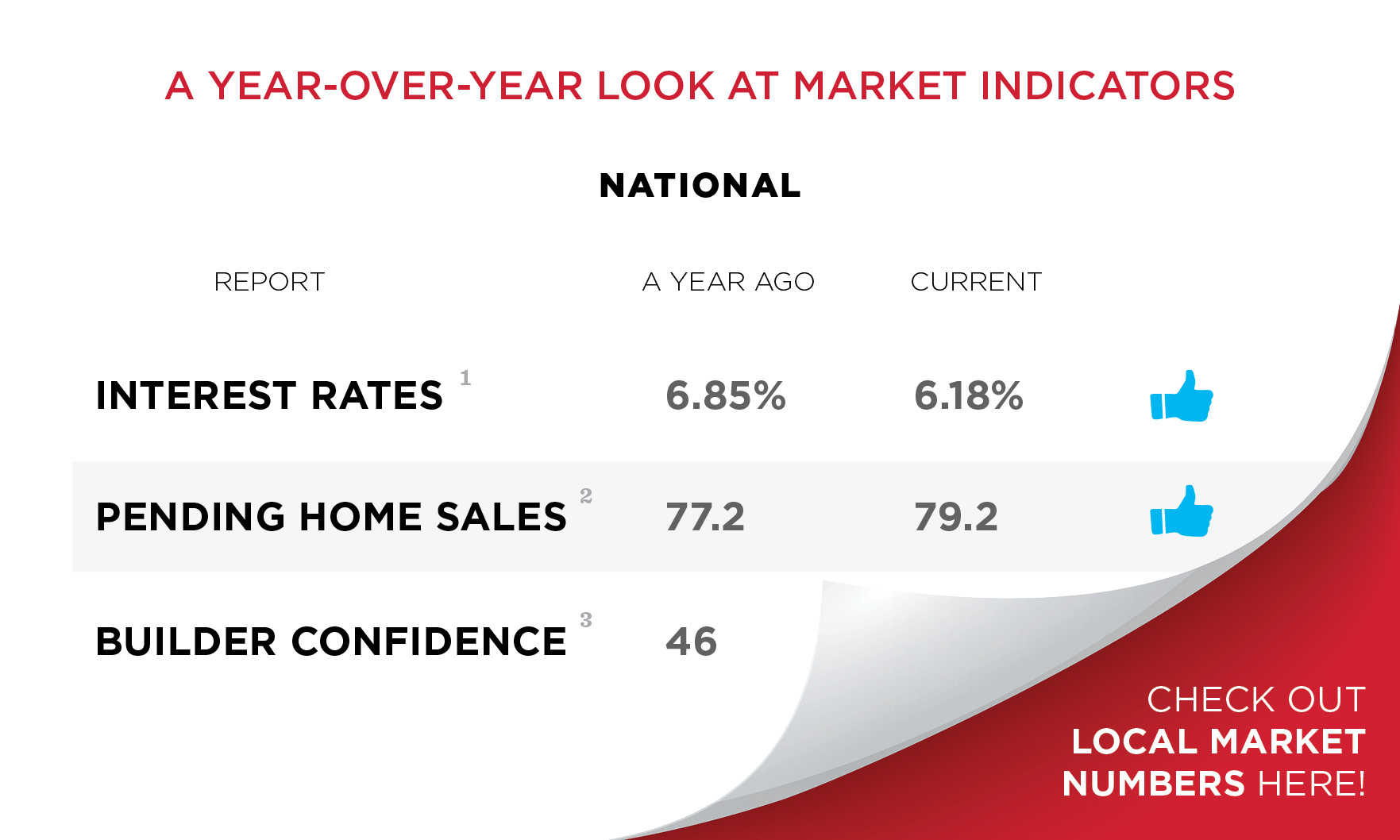
The holiday season brought more than just cheer to South Florida’s housing market. Inventory ticked up and homes sold quickly, according to the latest Housing Scorecard.
Contract signings were up in all four U.S. regions.

Prices for luxury homes in West Palm Beach have skyrocketed over the past decade, topping the pace of growth of any other U.S. market.

Evidence points to home shoppers prioritizing the experiences they’ll have in their home over the style or size, Zillow said.

The NAHB’s monthly survey found the nation’s homebuilders remain optimistic about home sales next year.
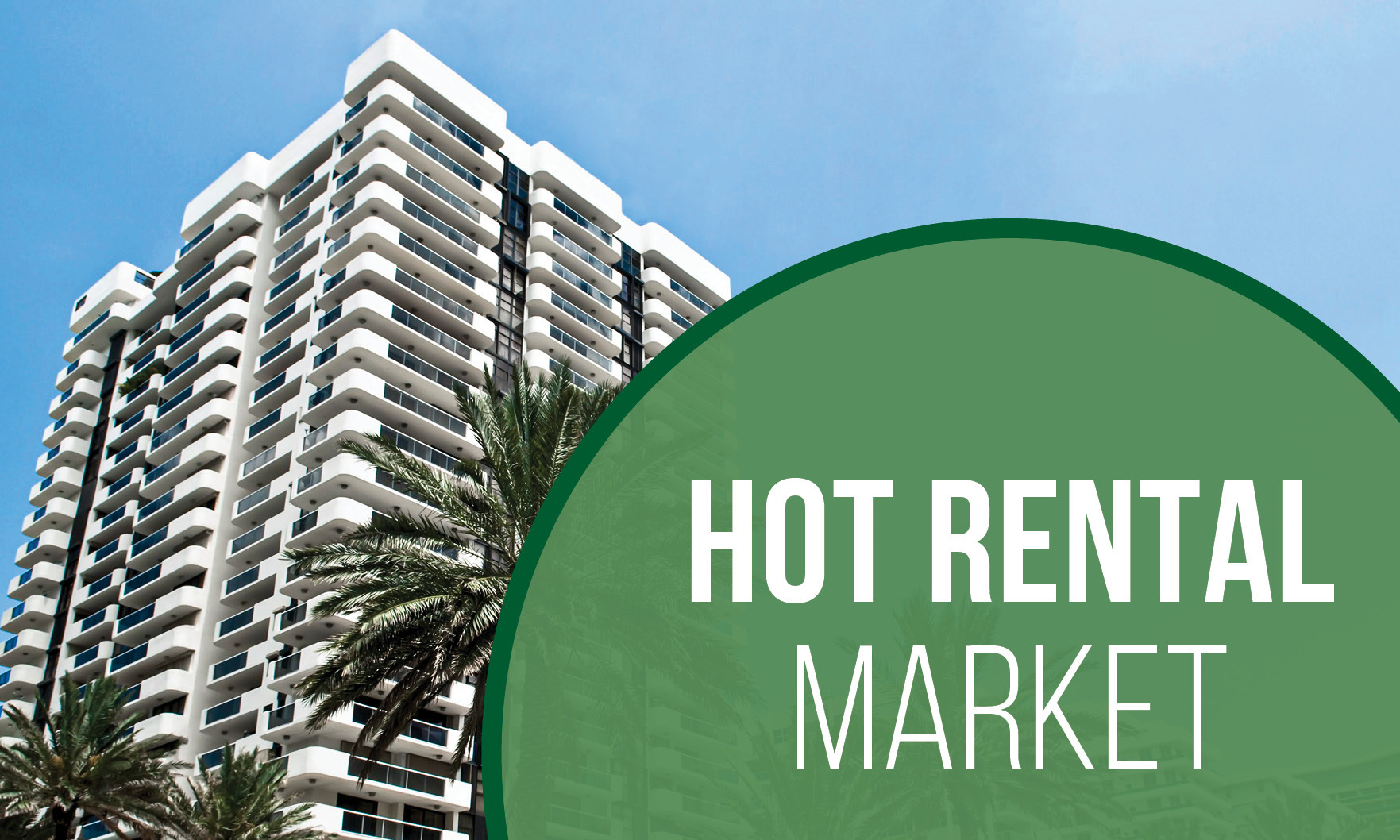
Demand so outpaced supply in Miami that the metro experienced a 96.4% occupancy rate in 2025.